All-on-4 implantáty Brno
Získejte zpět celý chrup během jediného dne
Řešení All-on-4 vám umožní nahradit všechny chybějící zuby pomocí pouze 4 nebo 6 implantátů. Získáte pevný a krásný chrup bez nutnosti snímatelné náhrady.
Přijďte probrat možnost all on 4 implantátů
nezávazná konzultaceVyplňte jednoduchý formulář a my vás budeme kontaktovat pro domluvení termínu. Rádi zodpovíme všechny vaše dotazy.
Revoluční řešení pro celý chrup
Metoda All-on-4 představuje moderní způsob náhrady celé čelisti pomocí fixního můstku ukotveného na implantátech. Je to rychlejší a cenově dostupnější řešení než klasické implantáty pro každý zub.
Okamžitý výsledek
V mnoha případech můžete odejít z ordinace s provizorními zuby již v den zákroku.
Pevné zuby
Na rozdíl od klasické protézy získáte pevně ukotvené zuby, které se nehýbou při mluvení ani jídle.
Bez nutnosti doplnění kosti
Díky speciálnímu umístění implantátů často není potřeba náročné doplňování kostní tkáně.
Menší počet implantátů
Stačí pouze 4 implantáty na celou čelist místo 8-10 při klasickém řešení, což snižuje celkové náklady.
Přirozený vzhled
Získáte přirozeně vypadající zuby s dokonalou funkcí, které jsou k nerozeznání od původních.
We've been using Alpha to kick start every project and can't imagine working without it
John Smith
Product Designer, Bricksmaven
Pro koho je All-on-4 ideální volbou?
Metoda All-on-4 je vhodná pro pacienty, kteří hledají komplexní řešení chybějících zubů v celé čelisti. Nabízíme individuální přístup a řešení přizpůsobené vašim potřebám.
Pacienti s bezzubou čelistí
Pokud máte bezzubou čelist nebo nosíte celkovou zubní náhradu, All-on-4/6 vám umožní získat zpět pevné zuby bez nutnosti vyndavací protézy.
Pacienti s poškozenými zuby
Máte-li většinu zubů v čelisti nenávratně poškozených nebo viklavých, můžeme je nahradit novým pevným můstkem na implantátech během jednoho dne.
Pacienti s nevyhovující protézou
Trápí vás nestabilní nebo nepohodlná celková náhrada? All-on-4/6 vám poskytne pevně ukotvené zuby bez nepříjemného pohybu při mluvení či jídle.
Pro koho je All-on-4 ideální volbou?
Celý proces je pečlivě naplánován a ve většině případů lze provést během jednoho dne. Získáte nový úsměv rychle a efektivně.
1
Diagnostika a plánování
Provedeme komplexní vyšetření včetně 3D CT snímků. Připravíme přesný plán léčby, vysvětlíme vám celý postup a představíme cenovou kalkulaci.
1
Operační zákrok
V jeden den odstraníme případné poškozené zuby, zavedeme implantáty a nasadíme provizorní můstek. Vše probíhá v lokální anestezii nebo lehké sedaci.
1
Finální můstek
Po zhojení (3-6 měsíců) vyměníme provizorní můstek za definitivní keramický, který bude dokonale odpovídat vašim představám o barvě a tvaru.
Objednejte se na konzultaci
Udělejte první krok k novému úsměvu. Domluvte si nezávaznou konzultaci, během které vám vysvětlíme všechny možnosti řešení.
Spojme se
Na recepci se o vás postarají
Pošlete nám zprávu
Časté dotazy o metodě All-on-4
Zde najdete odpovědi na nejčastější otázky o metodě All-on-4. Další dotazy vám rádi zodpovíme během osobní konzultace.
Bělení zubů patří v Brně mezi nejžádanější estetické stomatologické zákroky. Přestože se mnoho pacientů při výběru kliniky zaměřuje především na cenu nebo rychlost ošetření, klíčovou roli hraje odborný přístup a profesionální zázemí. Bělení prováděné pod dohledem zubního lékaře výrazně snižuje riziko zvýšené citlivosti, nerovnoměrného odstínu nebo poškození skloviny.
V Brně působí řada stomatologických pracovišť, která nabízejí profesionální bělení zubů. Některá se zaměřují především na dentální hygienu, jiná začleňují bělení do komplexní estetické nebo preventivní péče. Porozumění těmto rozdílům pomáhá pacientům zvolit pracoviště, které odpovídá jejich potřebám i očekáváním.
Níže uvedený přehled představuje pět klinik v Brně, které jsou opakovaně zmiňovány v odborných doporučeních a lokálních přehledech zaměřených na bělení zubů.
1. M2Stoma

M2Stoma je moderní stomatologická klinika v Brně, která přistupuje k bělení zubů jako k odbornému zdravotnickému výkonu, nikoli pouze jako ke kosmetickému zákroku. Bělení je zde součástí širší koncepce péče o dutinu ústní s důrazem na bezpečnost a dlouhodobé výsledky.
Před samotným bělením pacienti obvykle absolvují konzultaci, během níž je posouzen stav skloviny, přítomnost výplní či korunek a celková úroveň ústní hygieny. Často je doporučena profesionální dentální hygiena, která přispívá k rovnoměrnějšímu výsledku a nižší citlivosti zubů.
Hlavní charakteristiky
- Bělení zubů pod dohledem stomatologa
- Důraz na ochranu skloviny
- Propojení bělení s dentální hygienou
- Strukturovaný a bezpečný postup
Kontaktní údaje
Název: M2Stoma
Adresa: Vlněna 526/7, 602 00 Brno, Česká republika
Telefon: +420 608 465 342
2. Diente Dental Centre

Diente Dental Centre je komplexní stomatologické pracoviště v Brně, které nabízí bělení zubů jako součást širší zubní péče. Bělení je obvykle prováděno až po vyšetření stavu chrupu, aby byla zajištěna jeho vhodnost a realistická očekávání výsledku.
Klinika klade důraz na informovanost pacientů a pečlivou přípravu před estetickými zákroky.
Hlavní charakteristiky
- Profesionální bělení pod odborným dohledem
- Široké spektrum stomatologických služeb
- Důraz na přípravu a informovanost pacienta
Kontaktní údaje
Název: Diente Dental Centre
Adresa: Sochorova 40, 616 00 Brno-Žabovřesky, Czechia
Telefon: +420 702 242 293
3. K-Dent

K-Dent je zavedená stomatologická klinika v Brně, která poskytuje bělení zubů v návaznosti na preventivní a všeobecnou stomatologickou péči. Přístup kliniky vychází z tradičních stomatologických principů, kdy je zdraví chrupu základem každého estetického zákroku.
Bělení je zpravidla doporučeno až po absolvování dentální hygieny a vyšetření ústní dutiny.
Hlavní charakteristiky
- Bělení v kombinaci s preventivní péčí
- Důraz na zdraví chrupu a hygienu
- Dlouhodobá přítomnost na brněnském trhu
Kontaktní údaje
Název: K-Dent
Adresa: Janouškova 579/4 613 00 Brno
Telefon: +420 737 933 785
4. Vistadent Brno

Vistadent Brno se specializuje především na dentální hygienu a preventivní péči, přičemž bělení zubů patří mezi hlavní nabízené služby. Filozofie pracoviště vychází z předpokladu, že čisté a zdravé zuby jsou základem úspěšného bělení.
Pacientům je obvykle doporučeno absolvovat profesionální čištění zubů ještě před samotným bělením.
Hlavní charakteristiky
- Hygienický přístup k bělení zubů
- Zaměření na prevenci
- Kontrolované a šetrné bělicí postupy
Kontaktní údaje
Název: Vistadent Brno
Adresa: Jana Babáka, 612 00 Brno-Královo Pole, Czechia
Telefon: +420 792 316 066
5. Apollonia

Apollonia je soukromá stomatologická klinika v Brně, která nabízí širokou škálu stomatologických výkonů včetně profesionálního bělení zubů. Bělení je prováděno v klinickém prostředí a je podpořeno vstupní konzultací a vyšetřením.
Klinika klade důraz na postupné plánování léčby a individuální přístup ke každému pacientovi.
Hlavní charakteristiky
- Bělení jako součást komplexní péče
- Odborné posouzení před zákrokem
- Systematický přístup k ošetření
Kontaktní údaje
Název: Apollonia
Adresa: Bartošova 6, 602 00 Brno-střed, Czechia
Telefon: +420 602 557 275
Závěr
Profesionální bělení zubů v Brně přináší nejlepší výsledky tehdy, pokud je prováděno v klinickém prostředí, které klade důraz na zdraví chrupu, pečlivou přípravu a bezpečnost pacienta. Výše uvedené kliniky jsou pravidelně zmiňovány v odborných i lokálních přehledech právě proto, že dodržují zavedené stomatologické standardy.
Při výběru kliniky se vyplatí zaměřit se nejen na samotný výsledek bělení, ale také na způsob provedení, odborný dohled a návaznou péči. Zodpovědně provedené bělení zubů může přinést nejen estetické zlepšení, ale i dlouhodobý pocit jistoty a spokojenosti.
Tento přehled slouží jako praktický průvodce pro všechny, kteří hledají profesionální bělení zubů v Brně a chtějí se rozhodnout informovaně a s důvěrou.
If you’re tired of the daily frustration that comes with missing teeth or loose dentures, you’re not alone. Many of the patients we see at DentalImplantsPrague.com have lived with discomfort, embarrassment, or the inability to eat the foods they love for far too long. That’s why getting All-on-4 teeth has become a life-changing solution for so many. But what exactly does the process involve? And is it as complex or time-consuming as some might fear?
As someone who has worked closely with our implant specialists for years, I want to walk you through the process in clear, simple steps. Whether you’re just researching or ready to take the next step, this article is for you.

Understanding What All-on-4 Really Means
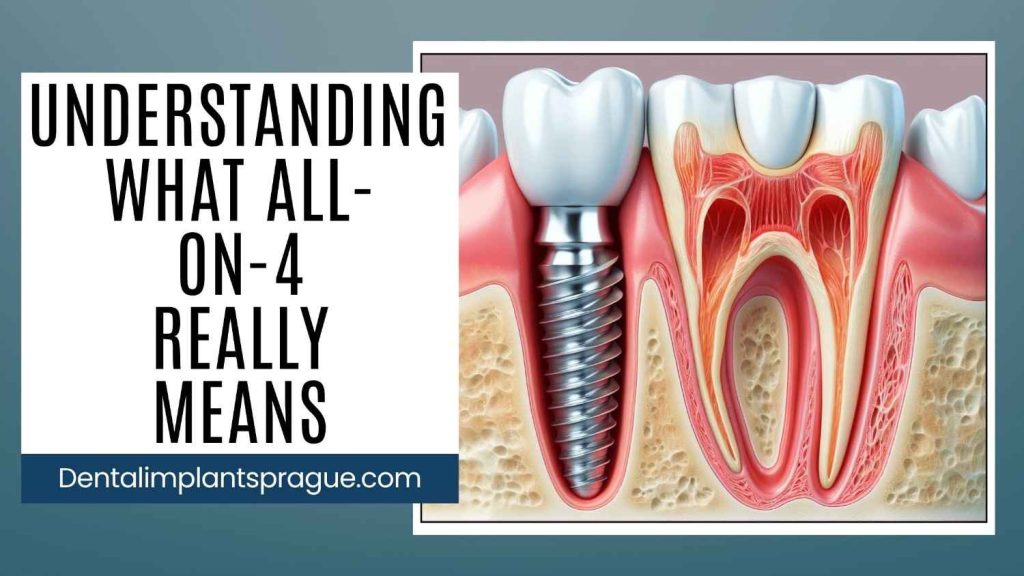
Let’s clear up the basics first. All-on-4 is a full-arch dental implant procedure where just four strategically placed implants support a complete set of replacement teeth on the upper or lower jaw. It’s a reliable option for people who’ve lost most or all of their teeth and want a fixed, long-term solution instead of traditional removable dentures.
What makes it so appealing is that it’s fast, effective, and doesn’t usually require bone grafting, even for those with bone loss. That means fewer surgeries, quicker recovery, and faster results.
Also Read: Why All-on-4 Is a Popular Choice in Prague
Step 1: The Initial Consultation and 3D Scanning

The process always begins with a full assessment. This isn’t just about looking at your mouth—it’s about understanding your goals, medical history, and oral health.
During your first visit at our Prague clinic, you’ll undergo digital imaging with a CBCT scan. This advanced 3D scan gives our specialists a detailed view of your jawbone structure and helps determine if All on 4 is the right approach for you. It also allows us to plan the exact placement of your implants with surgical precision.
You’ll also get a chance to talk through your expectations, concerns, and preferred aesthetics. After all, these teeth should look and feel like your own.
Check This Also: How Dental Implants Work – A Simple Explanation
Step 2: Personalized Treatment Plan

Once we’ve studied your scans and discussed your wishes, we’ll create a comprehensive plan. This includes choosing the best implant angle, determining whether any extractions are needed, and planning the shape, size, and color of your new teeth.
Every detail is considered. We’ll also explain the timeline, costs, and what to expect during each phase. It’s not just about getting implants—it’s about rebuilding your confidence and quality of life.
Also Read: What Are Dental Implants and Why They Are Worth Considering
Step 3: Implant Surgery (Usually One Day)

The day of your implant placement is a big one, but it’s more manageable than you might think.
Under local anesthesia or IV sedation (depending on your comfort level), your dentist will place four titanium implants in precise positions. These are usually tilted slightly to maximize contact with the bone, providing a stable base without bone grafting.
If extractions are needed, they can often be done at the same time. Once the implants are in place, a temporary set of teeth—crafted in advance—can often be attached on the same day.
Yes, getting All on 4 teeth can sometimes mean walking out with a new smile in just one visit.
Must Read This: The Connection Between Oral Health and Your Overall Well-Being
Step 4: Recovery and Healing
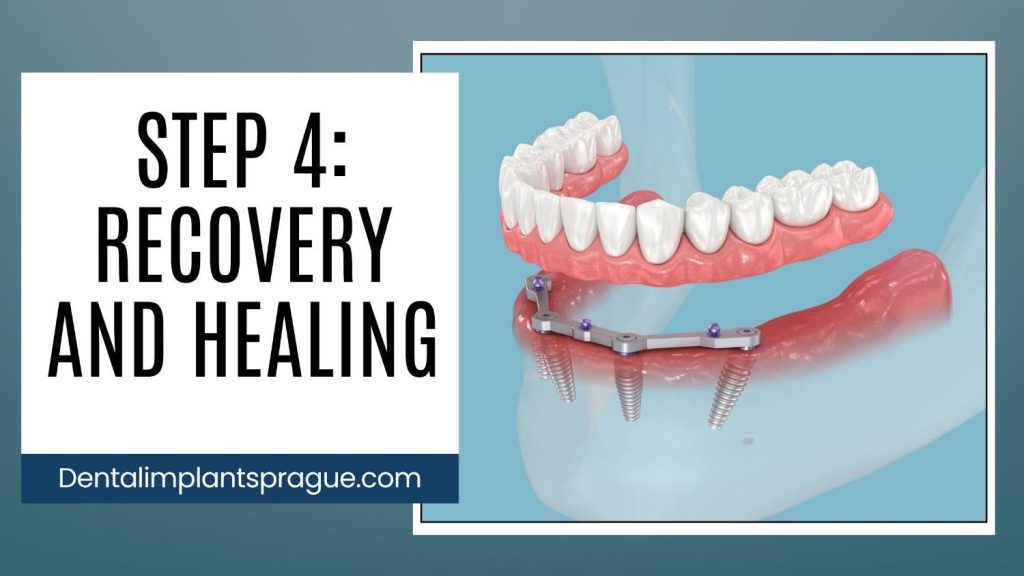
Even though you may leave with functional teeth, your gums and jawbone still need time to heal around the implants. This healing process, known as osseointegration, typically takes 3 to 6 months.
During this time, you’ll wear your temporary teeth and follow specific aftercare instructions. Soft foods, gentle cleaning, and regular check-ins with your dentist will be key.
It’s a comfortable phase for most people. Many are surprised at how little pain or downtime they experience after surgery—most return to normal activities within a few days.
Step 5: Final Restoration

Once the implants are fully integrated and your gums have settled, it’s time for the final touch.
Your permanent set of teeth is carefully crafted using durable materials like zirconia or high-quality acrylic, matched to your desired look and bite function. This final prosthesis is stronger, more natural-looking, and designed for long-term use.
Fitting your new teeth involves minor adjustments to ensure optimal bite, speech, and comfort. The result? A confident, stable smile that functions like natural teeth.
Step 6: Ongoing Care and Maintenance

Getting All on-4 isn’t just a procedure—it’s a long-term investment in your health. And like any investment, it benefits from regular upkeep.
Daily cleaning is simple but important. Think of it as brushing your natural teeth, with a bit of extra care around the gum line. Routine dental check-ups and professional cleanings every 6 to 12 months will help keep everything in top shape.
A common question we get is: “Will I need to replace these teeth in a few years?” The answer depends on how well they’re maintained. With proper care, All-on-4 can last decades—many patients enjoy them for life.
Is All-on-4 Right for Everyone?

This treatment suits many people, including those with significant tooth loss, denture fatigue, or moderate bone loss. But it’s not a one-size-fits-all solution.
That’s why we encourage a personal consultation. It’s the only way to understand what will work best for your unique mouth, bone structure, and lifestyle. And sometimes, it turns out there’s a better option we hadn’t initially considered.
The Confidence of a Full Smile, Faster Than You Think

It’s hard to put into words the emotional impact of getting All-on-4 teeth. We’ve seen people go from hiding their smiles to laughing freely, from eating carefully to enjoying steaks and apples without fear. It’s not just about dental health—it’s about restoring daily joy.
If you’re exploring your options and want a solution that’s functional, attractive, and time-efficient, then All-on-4 might be exactly what you’re looking for.
Thinking About Getting All-on-4 Teeth? Let’s Talk.
At DentalImplantsPrague.com, we’ve helped hundreds of patients regain full smiles with the All-on-4 procedure. From the first scan to the final restoration, every step is handled with care, skill, and respect for your goals. If you’ve been waiting for the right time to make a change, consider this your sign. Reach out today for a consultation and take the first real step toward a smile you’ll love to live with.
Finding a long-lasting, reliable solution for missing teeth can feel overwhelming, especially if you’re looking for something that looks, feels, and functions just like your natural smile. Many patients I speak with have tried partial dentures, bridges, or even traditional implants, yet they still feel like something is missing. That’s where the All-on-4 technique often comes into play, particularly here in Prague, where dental care standards meet affordability in the best way possible.
So, what exactly makes All-on-4 such a sought-after choice in Prague? Let me explain.
What Is All-on-4 and Why Is It Different?
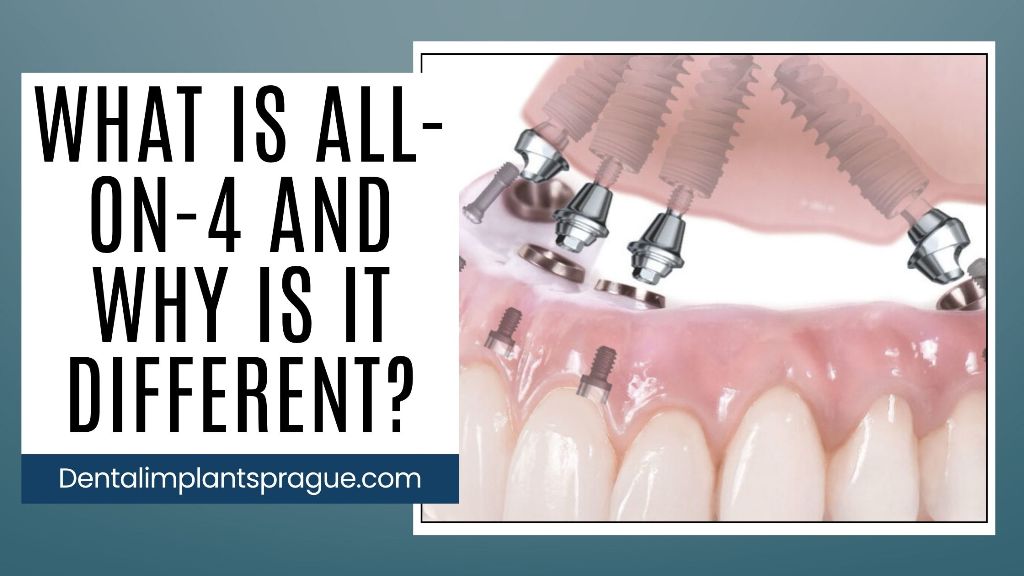
If you’ve heard the term All-on-4 Teeth, you’re likely wondering what sets it apart from other full arch replacement options. The concept is simple: instead of placing an implant for every missing tooth, just four strategically positioned implants are used to support a full arch of teeth.
This approach works because the implants are tilted at specific angles to maximize bone contact, even in areas where bone loss has occurred. It means patients can often avoid bone grafting altogether. That’s a significant relief for many who’ve been told they need extensive preparatory work before even thinking about implants.
And the best part? Most people walk away with a fixed temporary set of teeth on the same day. Yes, that means you can go from no teeth to a confident smile in just one appointment.
Why Do So Many Patients Travel to Prague for All-on-4?

Dental tourism isn’t new, but All-on-4 Prague has developed a reputation of its own over the years—and for good reason.
Let’s start with cost. Compared to Western Europe, the UK, or the US, treatment in Prague is often 50–70% more affordable. But lower cost doesn’t mean lower quality. Clinics here are modern, highly accredited, and led by experienced oral surgeons who specialize in complex implant procedures.
Prague also offers a high concentration of clinics that focus on dental implants, which means patients benefit from a depth of experience that’s hard to find elsewhere. You’re not just getting a standard treatment—you’re getting care from teams who do this day in and day out.
Add to that a city that’s easy to travel to, safe, and beautiful, and it’s not hard to see why so many people decide to restore their smiles here.
A Faster Path to a Fixed Smile
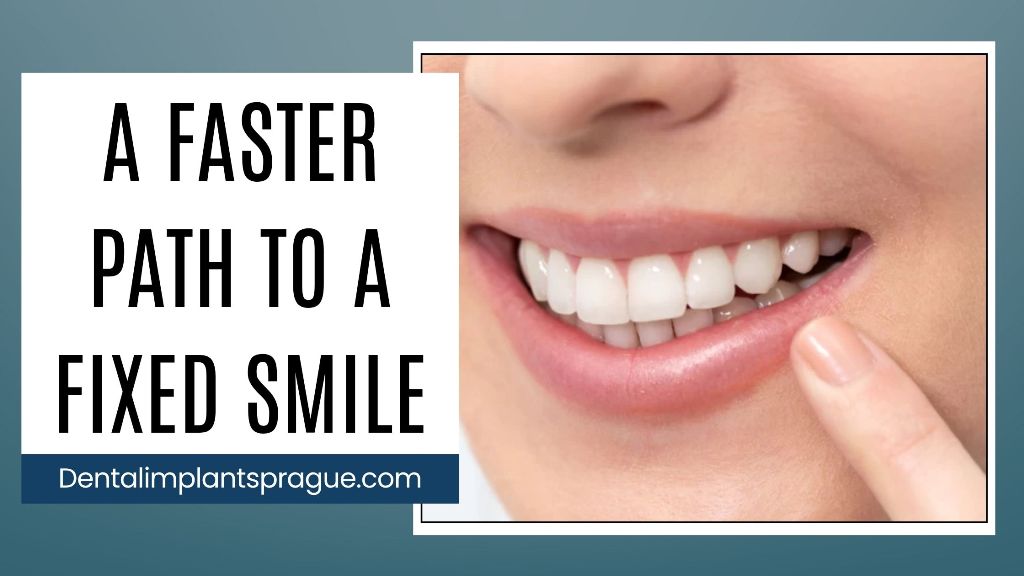
Many of our patients say the same thing after their consultation: “I didn’t know it could be this quick.”
The All-on-4 method skips some of the longer waiting periods you might expect with traditional implants. Instead of multiple surgeries spread over months, patients can often have any remaining teeth removed, implants placed, and temporary teeth fitted—all in one day.
Also Read: The Connection Between Oral Health and Your Overall Well-Being
Of course, there’s still healing involved, and your final permanent teeth will be placed a few months later. But you’ll leave the clinic with a stable, functional smile from day one. That’s a major emotional boost for those who’ve been covering their mouths or avoiding social situations for years.
Who Is the Right Candidate for All-on-4?

I often get asked if this method works for everyone. While a personal assessment is always necessary, All on 4 Teeth are particularly well-suited for those who:
- Have lost most or all of their teeth in one or both jaws
- Struggle with loose or uncomfortable dentures
- Have some bone loss in the jaw but want to avoid grafting
- Want a permanent solution that doesn’t come in and out of the mouth
It’s an ideal option for people who are tired of short-term fixes and want something that actually restores their confidence.
Results That Don’t Just Look Good—They Work

Let’s be honest. The aesthetics matter—but so does function. All-on-4 prosthetics are built to handle everyday biting, chewing, and smiling. And with good hygiene and routine care, they can last decades.
We’ve had patients tell us they ate steak for the first time in years just a few days after their procedure. That kind of freedom doesn’t just change your diet—it changes how you feel about yourself.
Recommended Reading: 10 Simple Ways to Take Care of Your Teeth
Also worth noting: the final prosthesis is custom-designed to fit your face, bite, and smile goals. Nothing looks fake or bulky. It’s all tailored (without using that word) to feel natural and look beautiful.
What Makes All-on-4 Prague Unique?

We’re proud to say that Prague is not just offering the All-on-4 solution—it’s doing so with a patient-first approach that’s both professional and warm. At our clinic, we combine cutting-edge digital planning, 3D imaging, and surgical expertise to give patients predictable, long-term results.
But we don’t stop at the technical side. We understand how emotional this process can be. Missing teeth affect your confidence, social life, and even career in some cases. That’s why we make sure every step—from the first consultation to the final fitting—is as smooth and reassuring as possible.
You’re not just another file on the desk. You’re someone with specific needs and goals, and we’re here to help you meet them.
Choosing the Right Team for Your Smile

One thing I always recommend: don’t rush into it. Not every clinic is the same, and not every patient’s case is simple. Look for a provider who can show you real patient results, explain the full treatment plan clearly, and support you before, during, and after the procedure.
Ask questions like:
- How many All-on-4 procedures do you perform each month?
- What materials are used in the final prosthesis?
- Will you provide detailed aftercare and follow-ups?
If you’re getting vague answers or feeling rushed, trust your gut. This is a major health investment, and you deserve clarity and comfort throughout.
Ready to Take the Next Step?
Choosing All-on-4 is about more than teeth—it’s about feeling whole again. It’s about eating what you love, speaking with confidence, and not thinking twice when someone takes a photo.
If you’ve been considering a full-mouth restoration and want to understand whether All-on-4 Prague is right for you, we’re here to help. Our team at DentalImplantsPrague.com offers expert consultations, honest advice, and world-class care—without the inflated costs.
Let’s talk. Your new smile may be just one appointment away.
If you’ve ever wondered how dental implants work, you’re certainly not alone. Many people searching for a long-term solution to missing teeth often find the idea of dental implants both intriguing and slightly confusing. As someone who writes professionally for dentalimplantsprague.com, I often get asked, “What actually happens beneath the surface when someone gets a dental implant?” Let me walk you through this with clear, professional, and friendly insights.
What Is a Dental Implant?

A dental implant is a small titanium post that acts as an artificial tooth root. It’s surgically placed into your jawbone to provide a stable foundation for a crown, bridge, or even a full set of replacement teeth. Unlike dentures that rest on the gums, implants are fixed and integrated into the bone, giving a natural look and feel.
Think of it this way: just as the roots of natural teeth anchor them into the jaw, dental implants serve the same purpose — except they’re made of biocompatible materials, most often titanium.
The Purpose of a Dental Implant

The purpose of a dental implant goes beyond simply filling a gap. Yes, it restores your smile, but it also helps maintain jawbone health, prevents the shifting of nearby teeth, and supports facial structure. When a tooth is lost, the bone in that area can start to weaken over time. Placing an implant helps stimulate the bone — much like a natural tooth root — and keeps it strong.
This is one major reason many dentists recommend implants over other solutions for missing teeth.
Step-by-Step: How Dental Implants Work

Let’s simplify the process into three main stages:
1. Consultation and Planning
Everything begins with a detailed consultation. Your dentist examines your mouth, reviews X-rays or 3D scans, and checks your jawbone health. Not everyone is a candidate right away — but even if you’ve lost bone mass, there are solutions like bone grafts to help prepare the site.
Here’s where your customized treatment plan is mapped out.
2. Placement of the Implant
Once the plan is ready, the actual procedure to place the dental implant is performed. The dentist makes a small incision in the gum to reach the jawbone and carefully inserts the implant post.
It might sound intense, but local anesthesia and modern techniques make it surprisingly comfortable for most patients. Many even return to work the next day.
After the implant is placed, healing begins — and this is where the real magic happens.
3. Osseointegration and Restoration
During healing, a process called osseointegration takes place. This means the implant naturally fuses with the jawbone. It usually takes a few months, and it’s the reason dental implants are so stable and long-lasting.
Once healed, a connector (called an abutment) is attached to the implant, and finally, a custom-made crown is placed on top. The result? A replacement tooth that looks, feels, and functions like the real thing.
Why Implants Are Often Worth It

You might ask — aren’t there easier or cheaper options? Certainly, dentures and bridges are available, and they work well for many. But dental implants offer several clear advantages:
- Longevity: With proper care, implants can last a lifetime.
- Stability: No slipping or clicking, unlike dentures.
- Bone Health: They help maintain bone structure and prevent shrinkage.
- Aesthetics: They closely mimic natural teeth in appearance and function.
For anyone who values durability and comfort, dental implants often become the go-to recommendation.
Are Implants Safe?
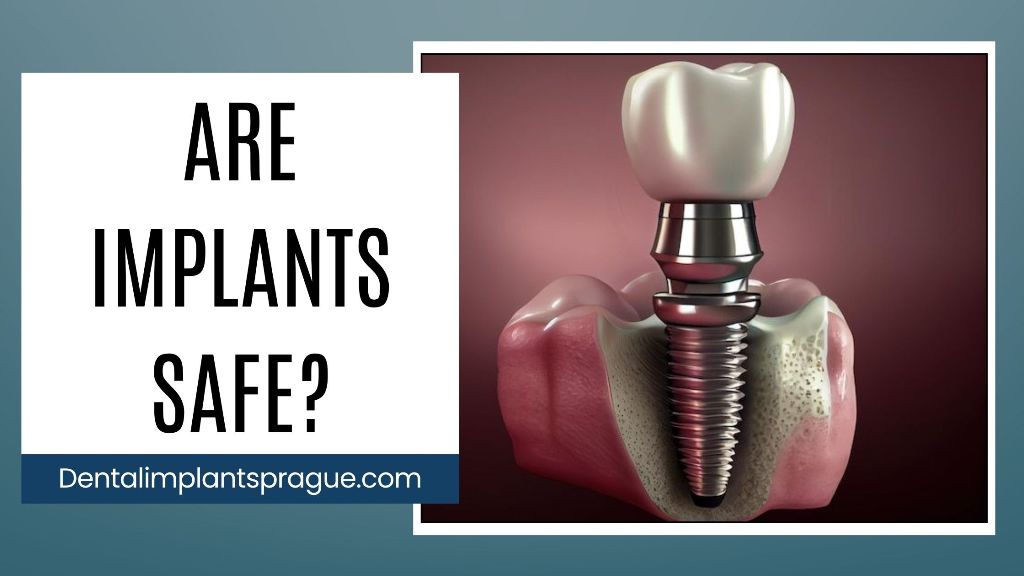
Absolutely. The materials used in dental implants are chosen specifically for their compatibility with the human body. Titanium, in particular, has been used in medical applications for decades. Success rates for implants are very high — around 95% in most cases — especially when placed by skilled professionals.
Of course, like any procedure, there are risks, but with good oral hygiene and regular check-ups, most patients enjoy smooth recoveries and lasting results.
Common Myths About Dental Implants

Let’s clear up a few misconceptions:
- Myth: They’re only for older adults.
Truth: Implants are suitable for adults of almost any age who have healthy gums and adequate bone. - Myth: The procedure is painful.
Truth: Most patients report minimal discomfort, similar to having a tooth pulled. - Myth: They require lots of maintenance.
Truth: Caring for dental implants is almost identical to caring for natural teeth — brushing, flossing, and routine cleanings.
Interesting Fact: Bone Likes Titanium

Did you know the body doesn’t reject titanium the way it might with other metals? That’s one reason dental implants are so successful. The bone naturally grows around the implant, holding it securely in place without needing any adhesives or support from other teeth.
Choosing the Right Clinic Matters
The outcome of your implant procedure depends largely on the experience of the dental team and the quality of care provided. It’s not just about placing a post — it’s about precise planning, surgical skill, and creating a crown that blends seamlessly with your natural teeth.
That’s exactly what we focus on at dentalimplantsprague.com. Our clinic offers a balance of expert care, advanced technology, and patient comfort — making the implant process smooth and predictable.
Final Thoughts
If you’ve been considering implants and wondering exactly how dental implants work, I hope this guide has made things a bit clearer. The process isn’t as mysterious or complicated as it might seem at first. In fact, it’s one of the most well-established and reliable procedures in modern dentistry.
Whether you’re missing a single tooth or looking for a full-mouth solution, dental implants can restore confidence, function, and health to your smile. If you’re exploring options or just have more questions, visit us at dentalimplantsprague.com. We’re here to help you make informed choices and feel confident every step of the way.
Losing a tooth is never just about the gap it leaves behind. It can impact how you chew, how you speak, and even how you feel about yourself in social situations. If you’re exploring options to replace missing teeth, you’ve likely come across the term dental implant more than once. So, let’s talk openly about what they really are, how they work, and why they continue to stand out as one of the most reliable solutions in modern dentistry.
Let’s Clear It Up: What Are Dental Implants?
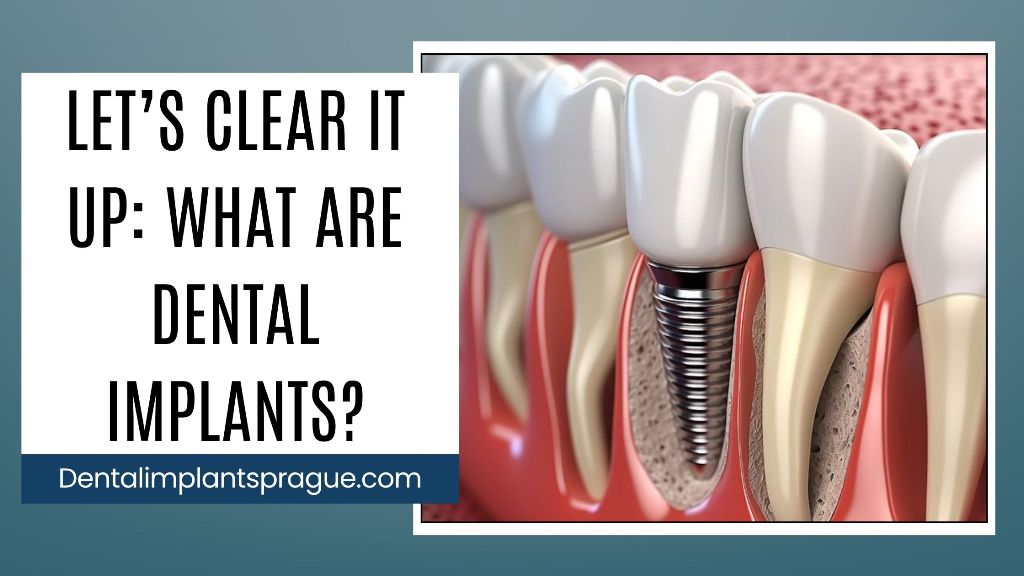
A dental implant is a small titanium post that’s surgically placed into your jawbone where a tooth is missing. Think of it as a sturdy artificial root that becomes the base for a replacement tooth. Once the implant fuses with the bone—a process called osseointegration—it acts just like the root of a natural tooth. A crown, bridge, or even a full denture is then placed on top, depending on how many teeth you need to replace.
Unlike removable dentures or traditional bridges that sit above the gumline or rely on neighboring teeth, dental implants are embedded directly into the jawbone. This makes them stable, secure, and longer-lasting than most other options.
Why Are People Choosing Dental Implants?

Tooth loss affects more than appearance. Missing teeth can lead to bone loss, shifting of surrounding teeth, changes in facial shape, and even problems with digestion if your chewing ability is compromised.
That’s where dental implants come in. They aren’t just about closing a gap—they address the deeper problems caused by missing teeth. Once implanted, they stimulate the jawbone just like natural roots do, helping to maintain bone structure and prevent that “sunken” look that often comes with long-term tooth loss.
You might be thinking, “Can’t dentures or bridges do the job?” Sure, they can restore basic function and aesthetics, but they don’t offer the same level of strength or support. Over time, dentures may slip, feel uncomfortable, or require regular adjustments. Dental implants, on the other hand, are fixed and feel much more like your own teeth.
The True Importance of Dental Implants in Oral Health

What often gets overlooked is how missing teeth affect overall dental health. Let’s say you’ve lost one molar. It may not seem like a big deal at first, especially if it’s not visible. But that empty space encourages neighboring teeth to drift, leading to bite misalignment, jaw strain, and even headaches.
By replacing the missing tooth with a dental implant, you preserve the balance and spacing of your teeth. This prevents other complications from developing. It also makes daily oral hygiene more effective since crowded or tilted teeth are harder to clean.
For patients with multiple missing teeth, implants can anchor bridges or full-arch restorations, giving them the confidence to eat, smile, and speak without hesitation.
What to Expect During the Process
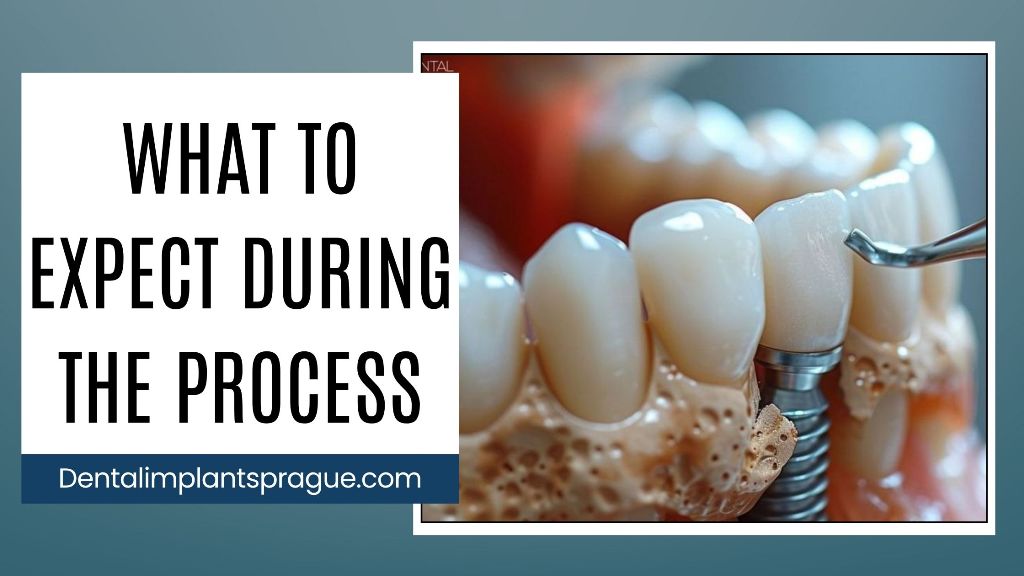
Let’s break down the experience. Getting a dental implant isn’t a same-day fix, but the steps are straightforward. After an initial consultation and scan, your dentist will assess your bone density to make sure the implant has a solid foundation. If the bone is too thin, a graft may be suggested first.
Once everything’s ready, the implant is placed under local anesthesia. Over the next few months, it fuses naturally with the bone. After that healing period, the abutment and crown are placed—restoring both function and appearance.
Most patients are surprised by how comfortable the procedure is. And once the final tooth is in place, the difference is immediate. No movement, no awkward slippage—just a natural-feeling tooth that fits your mouth perfectly.
How Long Do They Last?
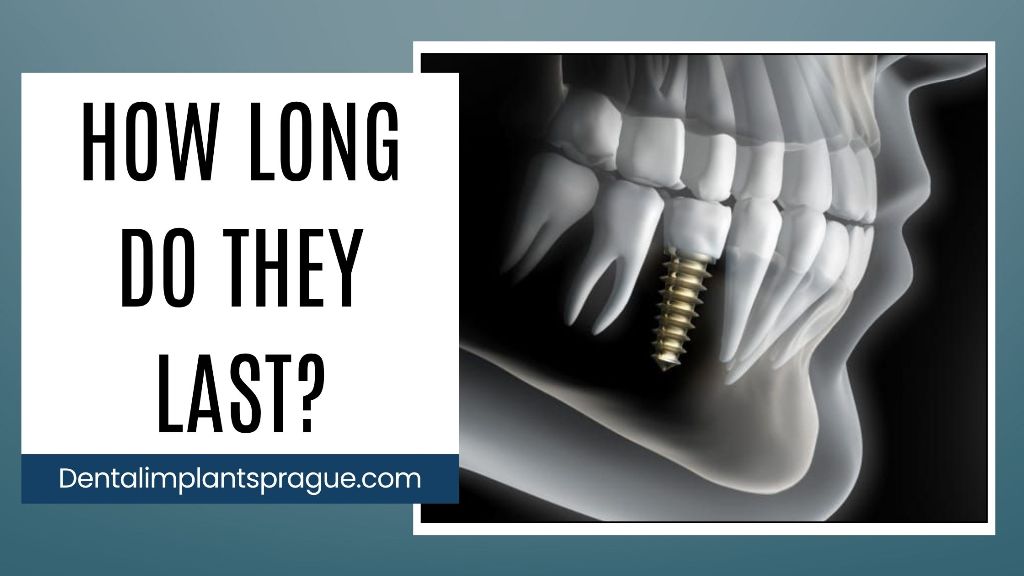
Here’s the part many patients love: dental implants can last decades. With proper oral hygiene and regular checkups, many people keep their implants for life. Crowns may need to be replaced due to normal wear, but the implant itself can stay put for the long haul.
Compare that with traditional bridges, which usually need to be replaced every 10–15 years. Or dentures, which often require relining as the jawbone changes shape. Over time, dental implants not only offer better performance but also better long-term value.
Are There Any Risks?
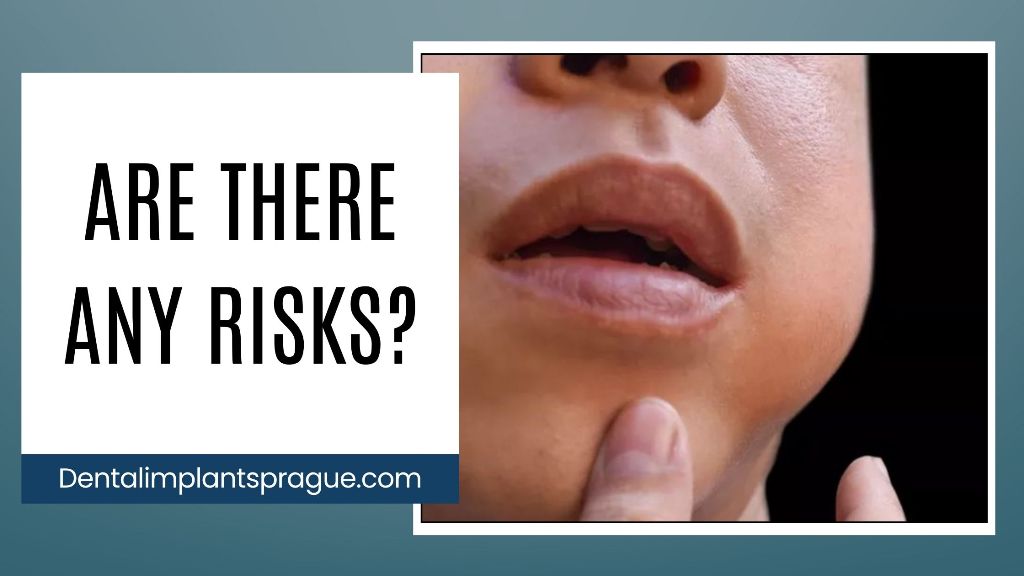
Like any medical procedure, there are some risks involved, though they’re minimal. Infections, nerve sensitivity, or implant failure can occur—but these are rare, especially when the procedure is done by experienced professionals and after thorough assessment.
Smokers or those with certain chronic conditions may face a slightly higher risk of complications. But even in those cases, a conversation with a qualified dentist can determine the best path forward.
Who Should Consider Dental Implants?

If you’ve lost one or more teeth and want something that feels natural, looks great, and holds up over time, dental implants deserve your attention. They’re ideal for adults of all ages who are healthy enough for minor oral surgery and have sufficient jawbone to support the implant.
Even if you’ve been wearing dentures for years or think you’re too old, don’t count yourself out. Many older adults have successfully transitioned from dentures to implants and are thrilled with the results.
Why I Recommend Them to Patients

As someone who works closely with patients at dentalimplantsprague.com, I’ve seen firsthand how life-changing this option can be. It’s not just about replacing teeth—it’s about restoring confidence, comfort, and the ability to enjoy simple things like eating a crisp apple or laughing without holding back.
We’ve helped hundreds of people find the right implant solution based on their individual needs, goals, and budgets. Our approach is always personal, backed by advanced diagnostics and an experienced team that makes every step feel less overwhelming.
Final Thoughts
If you’ve been wondering, What Are Dental Implants, I hope this article has given you more than just a definition. It’s given you insight into why so many people choose them—not just for their smiles, but for their health and quality of life.
Whether you’re dealing with one missing tooth or several, this option is absolutely worth a closer look. The importance of dental implants lies in what they give back: stability, strength, and the chance to smile without second-guessing. If you’re ready to learn more or explore your options in Prague, visit dentalimplantsprague.com. Our team is here to guide you—clearly, honestly, and with your best interest in mind.
We often separate our oral health from the rest of our body, treating the mouth like its own little universe. But here’s the truth—your mouth doesn’t exist in a vacuum. It’s part of a bigger picture. If you’ve ever wondered how that lingering gum issue or toothache might be affecting more than just your smile, you’re asking the right question.
As someone who works closely with patients at dentalimplantsprague.com, I’ve seen firsthand how dental hygiene impacts more than teeth—it shapes quality of life, long-term health, and even self-confidence. This article will help you understand how keeping your mouth healthy plays a direct role in supporting your overall well-being.
Why the Mouth Matters More Than You Think
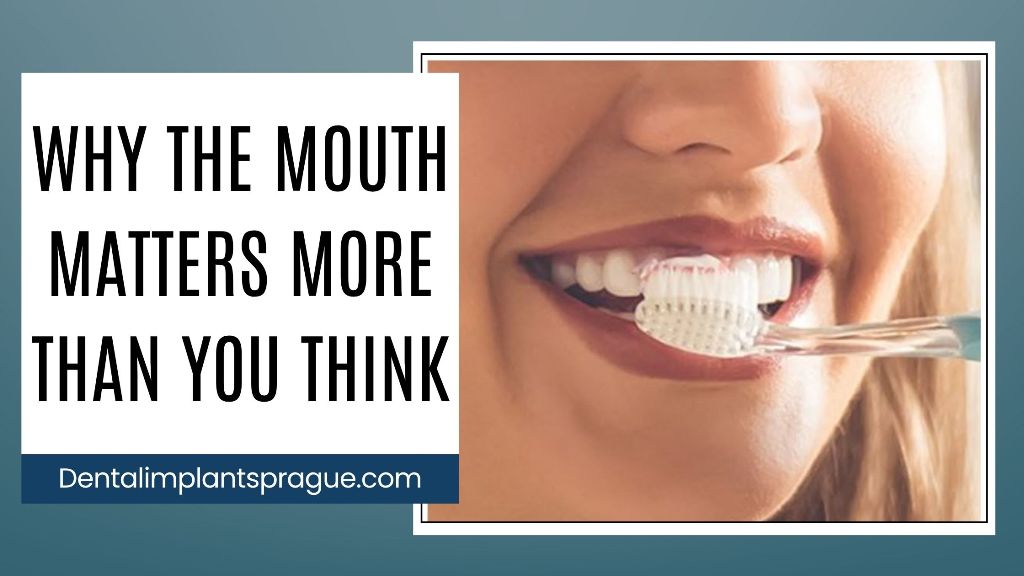
Let’s start with a simple fact: your mouth is full of bacteria. Most of them are harmless, but when dental hygiene is neglected, harmful bacteria thrive. These bacteria don’t just sit in your mouth quietly—they can travel through your bloodstream, potentially causing inflammation in other parts of your body.
Your oral cavity is the main gateway to your body. If that gateway is compromised, it opens the door to bigger health problems. Poor oral health has been associated with conditions like heart disease, diabetes, respiratory infections, and even adverse pregnancy outcomes. It’s not just about toothaches or gum problems anymore.
Inflammation: The Silent Trouble-Maker
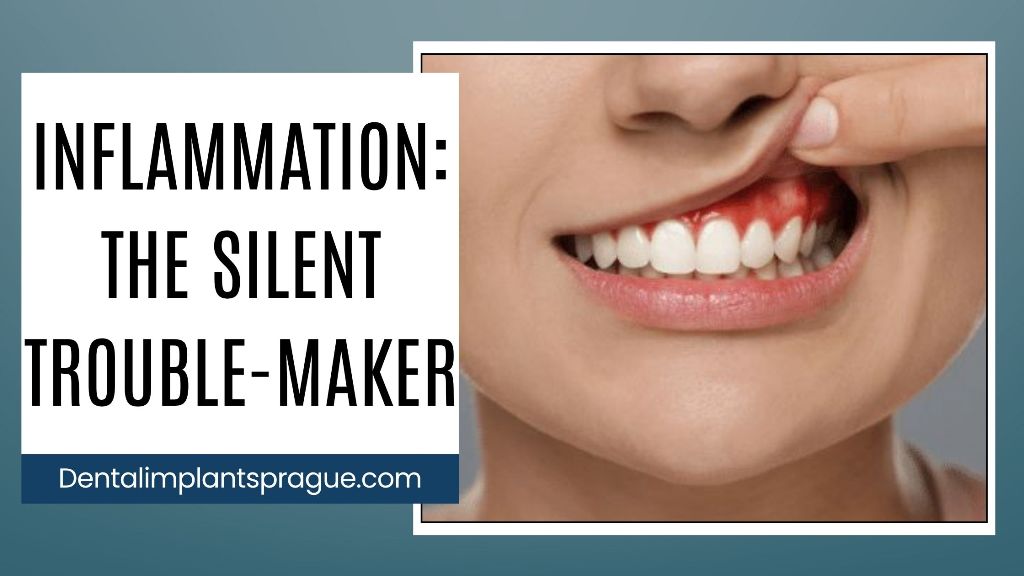
Chronic gum disease (periodontitis) is a common issue. But did you know that the inflammation it causes may be connected to heart disease? Studies suggest that inflammation in the gums can trigger inflammation in the blood vessels, contributing to clogged arteries.
If your gums bleed easily or feel tender, that’s not something to ignore. That’s your body waving a red flag. Treating gum infections early is one of the simplest ways to protect your overall well-being—starting with your mouth.
Your Smile and Your Mental Health

Let’s shift gears for a moment. Think about how you feel when you’re too embarrassed to smile because of missing teeth or bad breath. Your mental and emotional health can take a hit. Poor oral health isn’t just physical—it can lead to low self-esteem, social anxiety, and even depression.
A confident smile isn’t vanity—it’s part of how we connect with the world. Patients often tell me that after getting dental implants or improving their dental hygiene, they feel like themselves again. That’s a huge shift in quality of life.
The Link Between Oral Health and Diabetes

People with diabetes are more prone to infections—including gum disease. But here’s the kicker: gum disease can also make it harder to control blood sugar levels. That creates a loop. Poor dental hygiene worsens diabetes, and diabetes in turn makes gum disease harder to manage.
For diabetic patients, regular dental care isn’t just helpful—it’s necessary. Brushing, flossing, and routine cleanings can help break the cycle and support better overall health.
Mouth Bacteria and Respiratory Health

Think about this: when bacteria from the mouth travel down into the lungs, they can contribute to pneumonia and other respiratory issues. This is especially a concern for older adults or those with weakened immune systems.
Maintaining strong dental hygiene practices can actually reduce the risk of respiratory infections. A clean mouth makes it harder for harmful bacteria to sneak into places they shouldn’t be.
Gum Disease and Pregnancy Complications

Expecting mothers might be surprised to learn how their gums can affect their baby. Research shows that gum disease during pregnancy may be linked to premature birth or low birth weight. Why? Again, it comes back to inflammation and bacteria.
Pregnancy already puts a lot of stress on the body. Keeping your mouth healthy during this time can offer extra protection, both for the mother and the baby. Regular check-ups and gentle cleanings are completely safe and strongly recommended during pregnancy.
Habits That Strengthen Both Oral and Overall Health
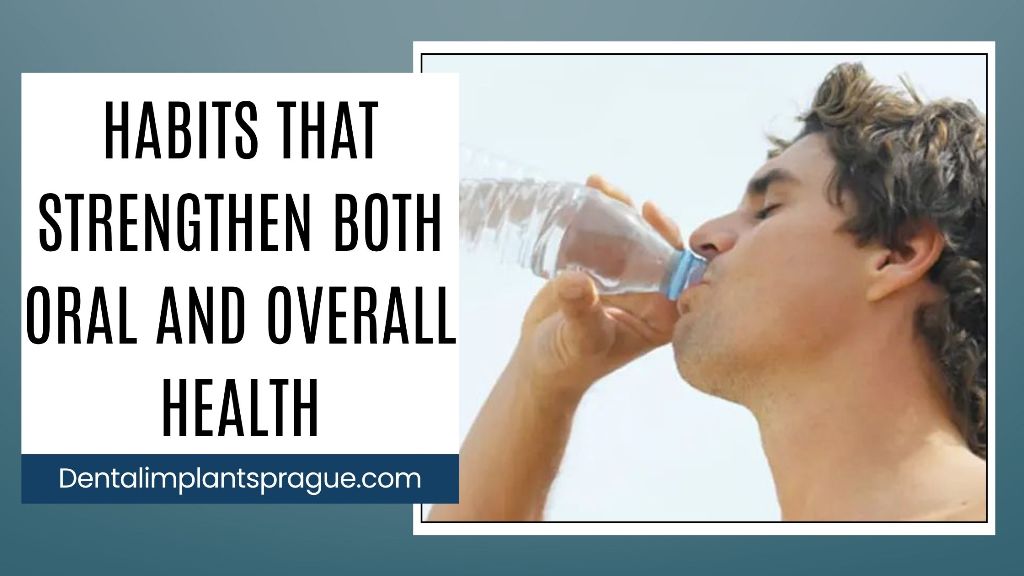
It’s not about having perfect teeth—it’s about daily habits that support lasting health. Here are a few practices I always recommend to patients:
- Brush twice a day with fluoride toothpaste
- Floss daily, no shortcuts
- Limit sugary snacks and acidic drinks
- Avoid tobacco—it damages gums and raises the risk of oral cancer
- Drink plenty of water—it helps wash away food particles and keeps saliva flowing
- Schedule dental cleanings every 6 months—or more often if advised
You don’t need expensive treatments to protect your overall well-being. Small, consistent actions go a long way.
When to See a Dentist (And Not Wait)

Sometimes people delay care because they assume it’s not serious—or they’re just used to discomfort. But if you’re experiencing things like:
- Bleeding gums
- Loose teeth
- Persistent bad breath
- Tooth pain that doesn’t go away
- Receding gums
Don’t wait. These can be signs of underlying issues that may affect more than just your teeth. The sooner you act, the easier it is to fix.
Prevention Over Treatment—Every Time
Here’s something we often say at dentalimplantsprague.com: Preventing problems is far easier and cheaper than fixing them later. Dental implants, while an incredible solution for missing teeth, aren’t something most people want to need if it can be avoided.
That’s why we focus so much on preventive care and dental hygiene education. It’s not just about saving teeth—it’s about preserving health, energy, time, and confidence.
A Healthy Smile is a Healthy Body
The connection between your mouth and your body is real, and it’s stronger than most people realize. Think of oral health as a foundation. When it’s weak, the rest of your health may struggle to stay balanced. But when it’s strong, you’re setting yourself up for long-term well-being—physically and emotionally.
At dentalimplantsprague.com, we believe that everyone deserves to feel healthy and confident in their smile. Whether you’re dealing with missing teeth, ongoing gum issues, or just haven’t had a check-up in a while, we’re here to help you get back on track.
Your mouth deserves just as much care as the rest of your body. Let’s take care of both—together.
Ready to support your overall well-being with expert care?
Visit dentalimplantsprague.com today and explore how our personalized treatments and compassionate approach can help you feel your best—starting with your smile.
If you’re tired of loose dentures or struggling with missing teeth that affect your confidence, chewing, or speech, you’re not alone. Many adults face similar dental challenges. That’s where All-on-4 comes in—a practical and permanent option for full-arch tooth replacement. Whether you’ve lost several teeth over the years or are facing complete tooth loss, this treatment offers a reliable solution with a natural feel and look.
Let me walk you through exactly what All-on-4 Teeth are, how they work, and who truly benefits from them.
What Are All-on-4 Teeth?

All-on-4 refers to a method of full-arch rehabilitation using just four dental implants to support a fixed bridge of teeth. Instead of placing an implant for every missing tooth, only four strategically angled implants are inserted in the jaw to anchor a full set of prosthetic teeth. The rear implants are tilted at an angle to maximize contact with available bone, which reduces the need for bone grafting in many cases.
The idea is simple: fewer implants, faster treatment, and a stable solution that restores both aesthetics and function.
How Do All-on-4 Dental Implants Work?

Here’s a simplified breakdown of the process:
- Consultation & Planning: Your dentist evaluates your oral health using digital scans and x-rays to determine if you’re a suitable candidate.
- Implant Placement: Four implants are placed into your upper or lower jaw. These act as anchors.
- Temporary Teeth: In most cases, a temporary set of teeth is fitted the same day.
- Healing Phase: The implants bond with the jawbone over the next few months.
- Final Restoration: Once healing is complete, your permanent bridge is attached.
This treatment delivers a secure, long-term solution—no slipping, no adhesives, and no discomfort during meals or conversations.
Who Should Consider All-on-4?

Let’s talk honestly—All-on-4 dental implants aren’t for everyone. But if you fall into any of the categories below, this might be the life-changing solution you’ve been looking for:
1. People with Complete Tooth Loss
If you’re already wearing full dentures or missing most of your upper or lower teeth, All-on-4 Teeth offer a significant upgrade. You’ll go from removable prosthetics to fixed teeth that don’t shift or click.
2. Those Tired of Denture Maintenance
Dealing with adhesives, constant relining, and removing your teeth every night gets old fast. With All-on-4, you can brush your teeth just like you would with natural ones—and they stay put 24/7.
3. Patients with Bone Loss
If you’ve been told you don’t have enough bone for traditional implants, don’t rule this out. Thanks to the tilted positioning of the rear implants, many patients can skip bone grafts entirely.
4. Anyone Looking for Faster Results
Traditional full-mouth implant treatments can take 6–12 months. With All-on-4, many patients leave with a temporary smile on the same day of surgery. That’s a big deal if you’re self-conscious about going without teeth during healing.
5. People Who Value a Long-Term Investment
This isn’t a cheap fix—but it is a smart one. When cared for properly, All-on-4 dental implants can last decades. Over time, they can even be more cost-effective than constantly replacing or adjusting dentures.
Benefits That Go Beyond the Smile

All-on-4 doesn’t just change how your teeth look—it improves your overall quality of life. Here’s how:
- Eat Freely: Apples, steak, nuts—you name it. No more restrictions.
- Speak Clearly: No awkward clicks or slurred words from loose dentures.
- Look Younger: The implant-supported structure helps preserve jawbone and prevent facial sagging.
- Feel Confident: Smile without covering your mouth or worrying about movement.
One patient recently told us, “I finally feel like myself again. I forgot how much I missed biting into food without hesitation.” That kind of impact stays with you.
Are There Any Downsides?

It’s important to know what to expect. Like any surgical procedure, there are healing periods and follow-ups involved. Some swelling or minor discomfort in the first few days is normal. And yes, the initial cost can seem steep—but when compared to the cumulative expenses of other tooth replacement options, many patients find the value justifies the price.
Also, not every patient is a candidate. Uncontrolled diabetes, smoking, or severe gum disease can affect the success of the implants. That’s why a thorough consultation is a must before making any decisions.
What’s the Difference Between All-on-4 and Traditional Implants?

Good question. With traditional dental implants, replacing an entire arch could mean 6–8 implants and possibly bone grafts, which adds time and cost.
All-on-4, on the other hand:
- Uses only four implants per arch
- Often skips bone grafting
- Allows for quicker recovery and faster smile restoration
It’s streamlined, less invasive, and still delivers full-arch functionality. Think of it as a smart shortcut—without cutting corners on quality.
What About Maintenance?

Maintaining All-on-4 Teeth is simple but important. Regular dental check-ups, good brushing habits, and the occasional professional cleaning will go a long way in protecting your investment. Unlike traditional dentures, these don’t soak overnight or require adhesive creams.
We usually recommend avoiding hard candy, ice-chewing, or using your new teeth as “tools” (no opening packages with them!). Treat them well, and they’ll stay with you for years.
So, Is It the Right Fit for You?

Only a proper clinical evaluation can confirm that, but if you’ve been searching for something more stable, natural-looking, and permanent, All-on-4 dental implants might be the answer. It offers a clear path back to full function and confidence—with fewer procedures and a faster timeline than older methods.
Where to Get Started?

If you’re in Europe or considering treatment abroad, dentalimplantsprague.com offers expert care, advanced technology, and cost-effective implant solutions without compromising on quality. We’ve helped hundreds of patients transform their lives with All-on-4, and we’re ready to help you, too.
Ready to reclaim your smile with All-on-4 Teeth?
Visit dentalimplantsprague.com today and schedule your consultation. Your new smile is closer than you think.
You brush. You floss. So why do you still need a dental cleaning? That’s a question we hear often—and it’s a fair one. Most people assume that if they’re keeping up with their home care routine, there’s not much left for the dentist to do. But here’s the thing: no matter how great your brushing technique is or how religiously you floss, plaque and tartar still find their way into places your toothbrush simply can’t reach. That’s where regular professional cleanings come in.
As someone who’s worked closely with patients across all stages of oral health, I can confidently say that regular dental cleanings are one of the smartest investments you can make for your smile. Not just because they help keep your teeth white—but because they protect your overall health, too.
The Hidden Buildup You Can’t Brush Away

Think of plaque like that sneaky guest who shows up uninvited and overstays their welcome. Even with good basic dental health habits at home, plaque begins forming just hours after your last brushing. If it’s not cleared away quickly, it hardens into tartar—a rough deposit that clings to your teeth and can’t be removed without professional tools.
And that’s just the beginning.
Tartar buildup can lead to gum inflammation, bleeding, and eventually gum disease. It creeps in slowly, and many people don’t notice until they’re already dealing with swollen gums or persistent bad breath.
A thorough dental cleaning clears out what your toothbrush can’t. It reaches beneath the gum line and into tight spaces, preventing small problems from turning into big ones.
Early Detection Is Everything

During a routine cleaning, it’s not just your teeth that get attention. Your dentist or hygienist is also on the lookout for early signs of cavities, enamel erosion, gum recession, and even oral cancer. These issues can sneak up without causing immediate discomfort—but early intervention can make a huge difference.
Think of it as a health check-up for your mouth. Skipping it doesn’t mean the problems don’t exist—it just means you’re giving them more time to grow unnoticed.
Regular cleanings give you the best shot at catching issues while they’re still easy (and far less expensive) to treat.
Your Gums Matter Just As Much as Your Teeth

Healthy gums are the foundation of a strong smile. But many people don’t realize how vulnerable their gums can be to infection—even when their teeth look fine.
Gum disease often starts silently. No pain. No visible signs. Just a little blood when you floss, or a strange taste in your mouth. Left untreated, it can lead to receding gums, tooth loss, and even increase your risk for conditions like heart disease and diabetes.
Professional cleanings help prevent gum disease by removing the bacteria that cause it in the first place. Pair that with good at-home habits, and your gums stay firm, pink, and ready to support your teeth for life.
The Confidence Boost You Didn’t Know You Needed

Let’s be honest—dental care tips are everywhere, but nothing beats the feeling of freshly polished teeth. That clean, smooth sensation? It’s more than just cosmetic.
Stains from coffee, tea, wine, and smoking build up over time, even if you’re brushing twice a day. A professional cleaning can remove most surface stains, helping your teeth look brighter and healthier.
It’s not about chasing perfection—it’s about walking into a room and knowing your smile is fresh, clean, and taken care of. That confidence? It shows.
Bacteria Don’t Take Vacations—Neither Should Your Cleanings
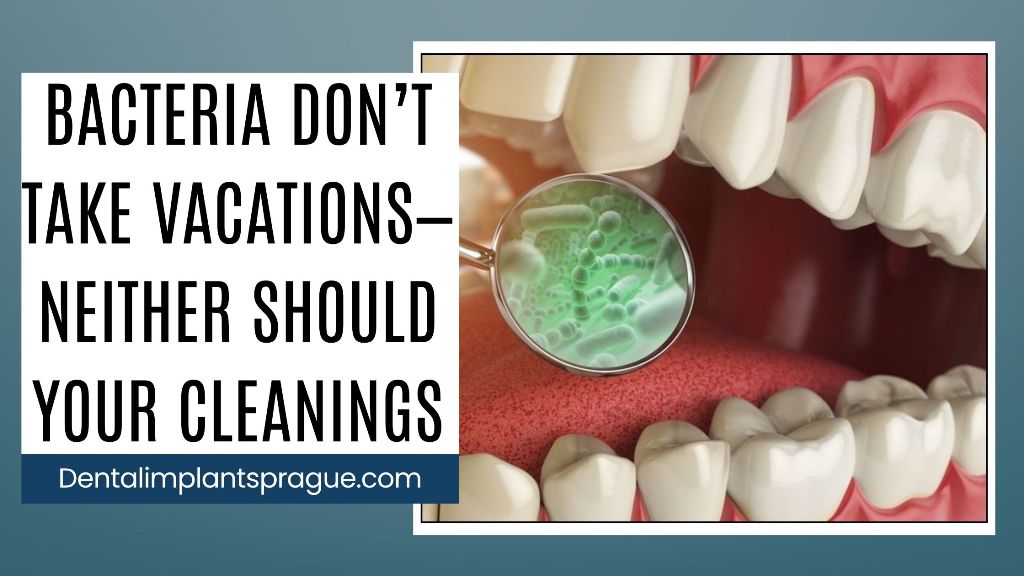
Skipping a dental cleaning here and there might not seem like a big deal. But bacteria love consistency. If they’re not disrupted, they settle in, multiply, and start damaging your enamel and gum tissue in ways you won’t feel until it’s too late.
Most people benefit from a cleaning every six months, but your dentist may recommend more frequent visits if you have risk factors like smoking, diabetes, or previous gum issues.
Regular cleanings keep everything on track and give your dentist a clear timeline of your oral health progression. It’s one of the most proactive steps you can take toward long-term dental health.
Beyond the Mouth: The Oral-Systemic Connection

You’ve probably heard this before, but it’s worth repeating: your mouth isn’t separate from the rest of your body.
Poor dental health has been linked to heart disease, respiratory infections, and even complications in pregnancy. Why? Because bacteria from the mouth can enter the bloodstream and affect other parts of your body.
That’s why regular cleanings are about more than teeth—they’re part of a broader strategy for staying healthy.
Practical Dental Care Tips for a Stronger Routine

Let me share a few quick reminders that, combined with regular cleanings, can really make a difference:
- Use a soft-bristled toothbrush and change it every 3 months.
- Floss daily—even if your gums bleed at first.
- Rinse with an alcohol-free mouthwash.
- Limit sugary snacks and drinks between meals.
- Don’t ignore dry mouth—it can increase your risk of cavities.
- Chew sugar-free gum to stimulate saliva after meals.
- And most importantly? Don’t wait until something hurts.
Consistent, simple habits can go a long way in supporting your basic dental health and reducing the amount of work needed during your cleanings.
Your Smile Deserves More Than Occasional Attention

It’s easy to forget about your teeth when they’re not causing trouble. But neglect is what allows trouble to begin.
Regular dental cleanings aren’t a luxury—they’re a necessity for maintaining a healthy, functional smile well into the future. They help prevent serious conditions, keep your gums in top shape, and give you the confidence to show off your smile, worry-free.
If you’re looking for a place that understands not just the science but the human side of dentistry, DentalImplantsPrague.com is here to help. We believe in thoughtful, thorough care that prioritizes your comfort and long-term health—whether you need routine cleaning, implant consultations, or something in between. Don’t wait for symptoms. Start with a cleaning. Your smile—and your future self—will thank you.
Tooth sensitivity is one of those things that creeps in quietly. One moment, you’re enjoying your favorite gelato, and the next—sharp pain zings through your teeth like a bolt. If that sounds familiar, you’re not alone. Many people deal with this frustrating condition, and while it can feel minor, it often hints at bigger issues within your overall dental health.
Let me help you unpack what’s going on and how simple changes in your basic dental health routine can bring much-needed relief.
What Is Tooth Sensitivity?

Tooth sensitivity usually shows up as a short, sharp pain in response to something hot, cold, sweet, or acidic. For some, even brushing or flossing can feel like a trigger.
This happens when the protective layer of enamel wears down or the gums recede, exposing the dentin underneath. Dentin is full of tiny tubules that lead directly to your tooth’s nerve center. Once exposed, these tubules send pain signals straight to the brain whenever they’re hit with temperature changes or pressure.
What Causes Tooth Sensitivity?

There isn’t just one cause, which is why guessing rarely helps. Here are some common culprits I see with patients who visit our clinic at Dental Implants Prague:
- Aggressive brushing with hard bristles can wear down enamel.
- Grinding teeth during sleep or stressful situations.
- Gum recession, which often comes with age or gum disease.
- Acidic foods and drinks, such as citrus fruits, soda, or vinegar.
- Overuse of whitening products, which can temporarily or permanently increase sensitivity.
- Cracked teeth or old fillings that expose the dentin or root.
Understanding the cause is the first step to managing your pain the right way. If you’re unsure, always check in with a professional rather than self-diagnosing.
Common Signs You Shouldn’t Ignore

It’s easy to brush off occasional pain as no big deal, but chronic sensitivity needs attention. Look out for:
- Pain while drinking cold water or eating ice cream
- Discomfort when brushing or flossing
- Sensitivity that lasts longer than a few seconds
- Pain around a specific tooth or area
If these symptoms keep showing up, it’s time to revisit your dental care tips and possibly book a check-up.
How to Manage Tooth Sensitivity at Home

While it’s always a good idea to speak with a dental expert, there are a few simple things you can do right now to ease the pain:
1. Switch to a Sensitive Toothpaste
Not all toothpastes are made equal. If your current product is designed for whitening or tartar control, it might be making things worse. Go for one labeled for tooth sensitivity. These typically contain potassium nitrate or stannous fluoride, both of which help block pain signals.
2. Use a Soft-Bristled Brush
Hard bristles might feel like they’re giving you a deeper clean, but they can actually damage enamel and gums. A soft-bristled brush paired with gentle strokes can protect sensitive areas while still keeping your teeth clean.
3. Avoid Acidic Foods and Drinks
Love lemon water or soda? You might need to rethink those choices. Acidic drinks wear down enamel faster than you’d think. If you can’t give them up entirely, drink through a straw and rinse your mouth with water afterward.
4. Rethink Your Brushing Habits
Brushing harder doesn’t equal brushing better. In fact, being too aggressive can create more problems than it solves. Brush in small, circular motions and keep your strokes light but consistent.
5. Wear a Night Guard (If You Grind)
If you often wake up with jaw pain or tension headaches, you might be grinding your teeth in your sleep. A night guard can prevent long-term damage and reduce sensitivity.
Professional Help: What a Dentist Can Do

If at-home care doesn’t bring relief, don’t push through the pain. A dentist can offer targeted solutions based on your unique needs. At Dental Implants Prague, we usually recommend one or a combination of the following:
- Fluoride treatments to strengthen enamel
- Bonding agents to cover exposed dentin
- Desensitizing gels for deeper relief
- Gum grafts if recession is the root cause
- Root canals in extreme cases where the nerve is severely affected
Many of these are quick and minimally invasive. The key is not waiting until the pain becomes unbearable.
Long-Term Strategies for Healthier Teeth

Managing sensitivity isn’t just about reacting to pain—it’s about preventing it from becoming a regular issue. Here are some proactive dental care tips to keep your smile strong and pain-free:
- Stick to regular dental checkups, ideally every six months.
- Use fluoride mouthwash to help rebuild enamel.
- Stay hydrated to support natural saliva production.
- Avoid over-brushing or brushing right after acidic meals.
- Prioritize a nutrient-rich diet with calcium and Vitamin D.
Even something as simple as swapping your toothbrush or upgrading your toothpaste can make a real difference.
Why Tooth Sensitivity Shouldn’t Be Ignored

Tooth sensitivity might seem like a minor inconvenience, but it often points to early signs of enamel erosion, cavities, or gum issues. Ignoring it today can lead to major repairs tomorrow. That’s why having a proactive approach to dental health is more than just a recommendation—it’s the foundation for keeping your natural teeth intact for the long haul.
If you’re someone dealing with this regularly, don’t settle for short-term fixes. Understanding how to manage tooth sensitivity and acting on it can change everything about the way you eat, drink, and smile.
Need Expert Help? Let’s Talk
If you’re based in Prague or planning a visit, our clinic—dentalimplantsprague.com—is here to help. We offer expert diagnostics, customized treatment plans, and full support for all your basic dental health needs, including sensitive teeth. Whether you’re dealing with mild discomfort or something more severe, we’re ready to step in and support your long-term dental health goals.Book a consultation with us today and let’s get that sensitivity under control—for good.
Keeping your smile healthy goes beyond just brushing and flossing—it’s about building habits that protect your teeth and gum care for the long run. If you’re reading this, you’re probably already aware of how big of a difference good dental hygiene makes in your daily comfort, appearance, and confidence. But how deep does that impact go? Let me walk you through the importance of this simple yet powerful routine and how it lays the foundation for lifelong oral health.
Why Dental Hygiene Deserves Your Daily Attention
We’ve all been told from a young age to brush our teeth twice a day. But why is that such a big deal? At its core, dental hygiene is about removing the plaque and bacteria that naturally build up in the mouth. Left unchecked, this buildup can lead to cavities, gum inflammation, and eventually serious infections.
Let’s face it—no one wants to deal with tooth pain or swollen gums. But beyond discomfort, poor dental care can impact how you chew, speak, or even breathe. And did you know that untreated gum infections can affect your overall health too? There’s growing evidence linking poor oral health with heart disease, diabetes, and even complications during pregnancy.
What Happens When You Skip Dental Hygiene?
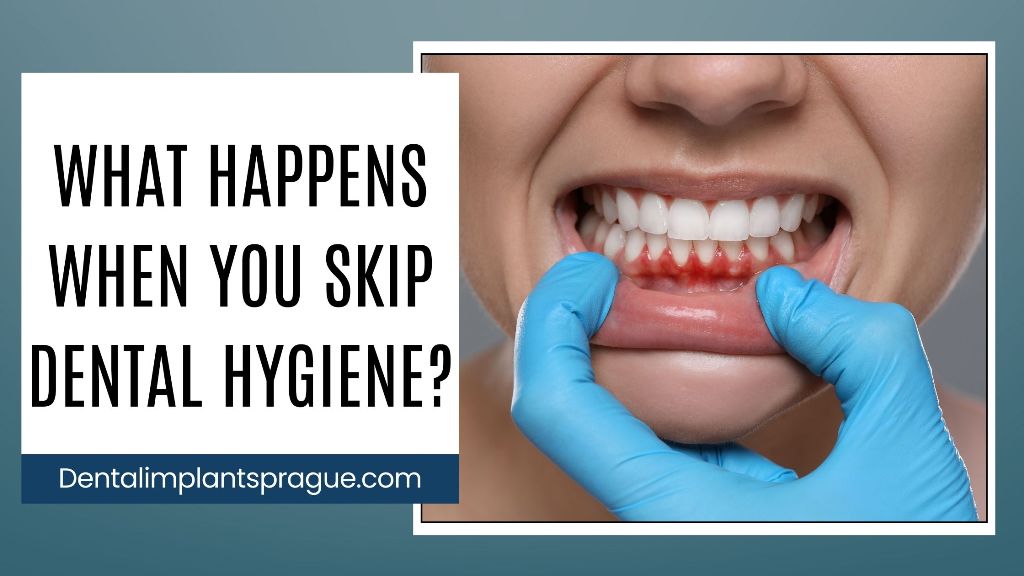
You might miss brushing after a long night out or delay your next dental visit. It happens. But if skipping becomes a habit, the consequences begin to pile up fast. Here’s a quick picture of what neglecting teeth and gum care can lead to:
- Plaque buildup: This sticky film feeds on sugars and releases acids that damage enamel.
- Tooth decay: Cavities form when enamel wears away, and they don’t heal on their own.
- Gum disease: Inflamed gums are often red, swollen, and bleed easily. If ignored, this can lead to periodontitis and even tooth loss.
- Bad breath: Halitosis isn’t just awkward—it’s often a sign of bacteria festering inside the mouth.
It’s not just about having clean teeth; it’s about protecting your entire oral structure from preventable problems.
Good Dental Care Starts at Home
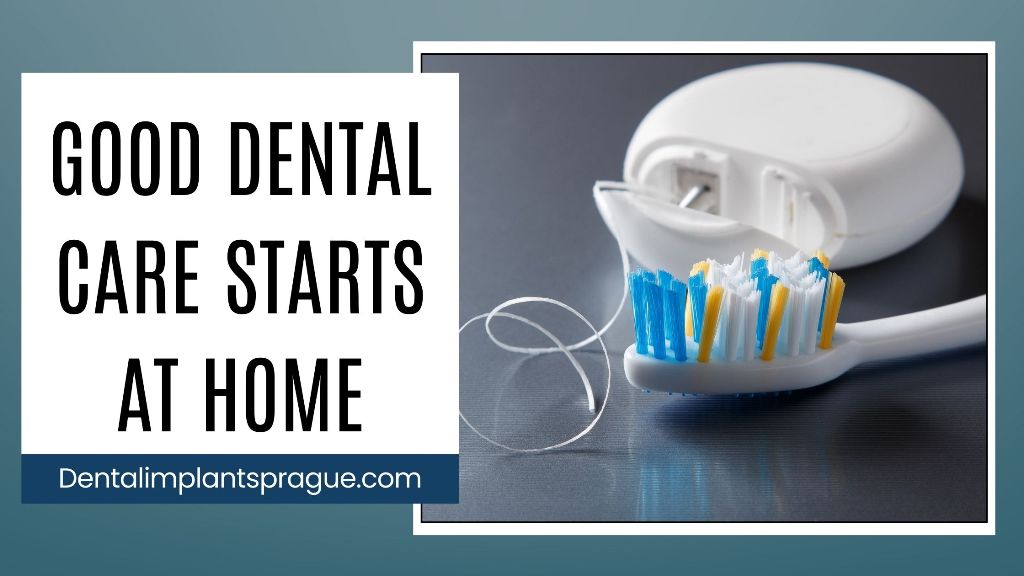
You don’t need a shelf full of products to build a strong at-home routine. But consistency is non-negotiable.
Here’s what an effective routine looks like:
- Brush twice a day with fluoride toothpaste, using gentle circular motions.
- Floss once daily to reach those tricky spots between the teeth.
- Rinse with mouthwash to reduce bacterial load and freshen breath.
- Use a soft-bristled toothbrush and replace it every three months.
That’s it. Simple steps, massive impact. The goal is to remove food debris and bacteria before they have a chance to turn into plaque or tartar.
The Role of Diet in Teeth and Gum Health
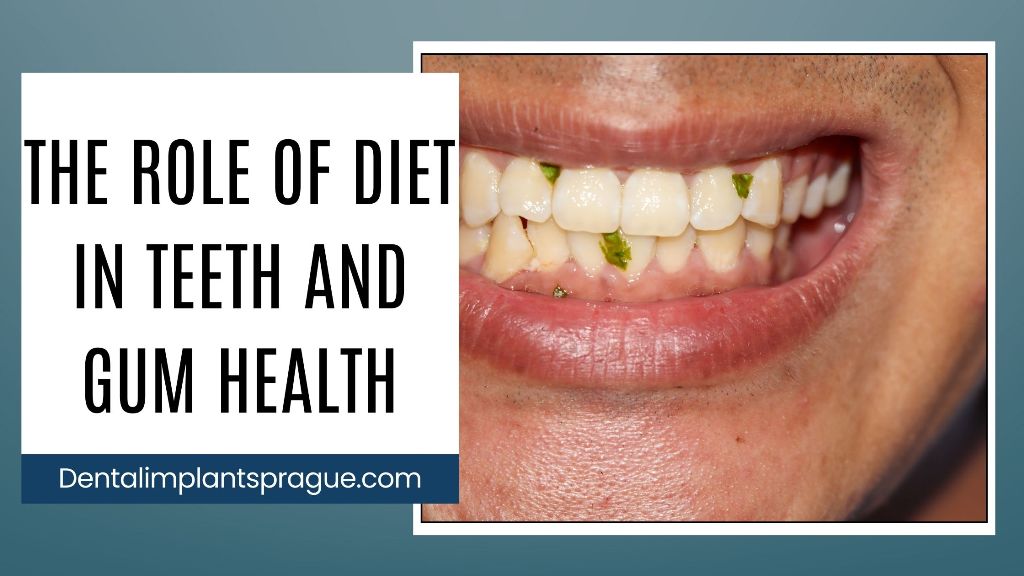
What you eat shows up in your mouth first. Sugary snacks and acidic drinks create the perfect storm for decay. On the flip side, crunchy vegetables like carrots or apples help clean the teeth while you chew.
Drinking water throughout the day helps keep your mouth hydrated and washes away leftover food particles. Calcium-rich foods, like cheese or leafy greens, strengthen tooth enamel, while vitamin C from fruits supports gum care and tissue repair.
So, yes, your kitchen habits matter just as much as your bathroom ones.
Why Professional Cleanings Still Matter
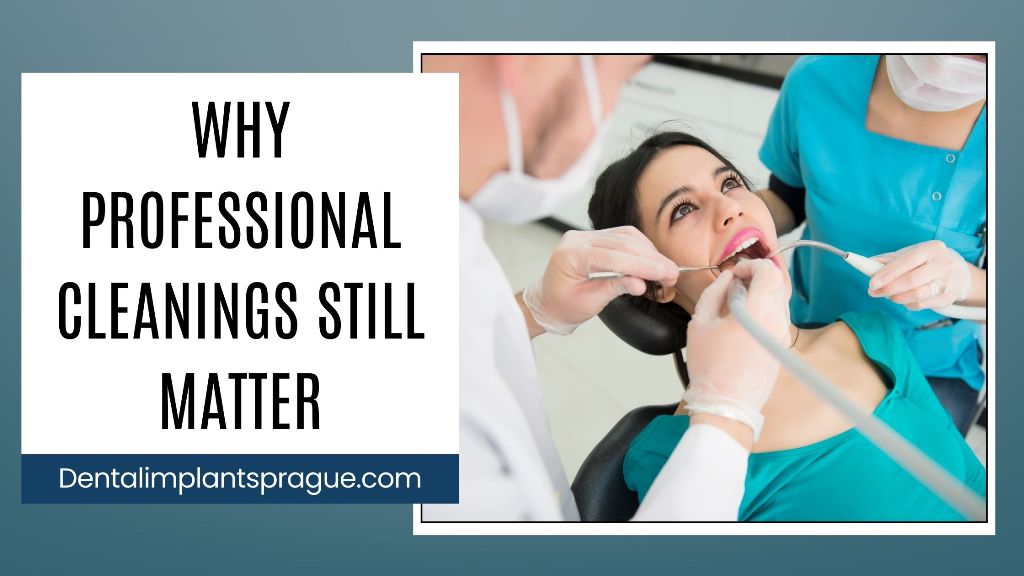
Even with a stellar routine, your toothbrush can’t remove hardened tartar or reach under the gums the way a professional cleaning can. That’s why regular checkups—ideally every six months—are a smart move.
During a dental visit, your provider checks for early signs of issues that you might miss at home: tiny cavities, receding gums, or even oral cancer indicators. Catching these problems early saves you time, money, and pain in the long run.
If you’re someone with dental implants, crowns, or bridges, professional dental care becomes even more important. Special tools are used to clean around these restorations and keep your oral structure healthy.
Gum Care: Often Overlooked, Always Important
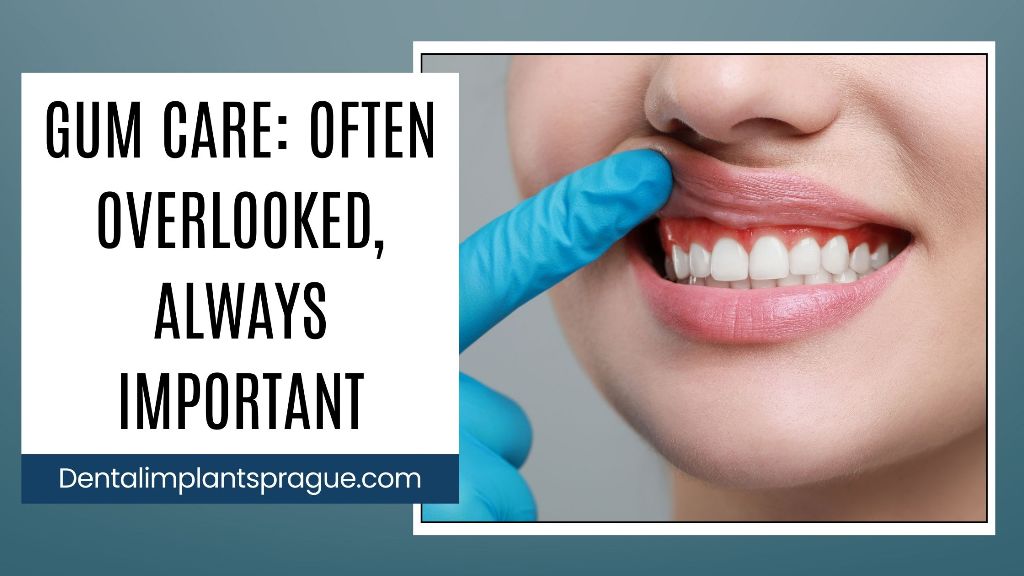
Your gums don’t just hold your teeth in place—they’re the foundation of your oral health. Gum issues often creep in silently and show up when they’re already advanced.
Here’s what to watch for:
- Bleeding while brushing or flossing
- Persistent bad breath
- Receding gum lines
- Loose or shifting teeth
These are warning signs. If you’re experiencing any of these, it’s time to prioritize gum care and get evaluated. Gum disease doesn’t fix itself. But with proper dental hygiene and early treatment, it can absolutely be managed.
Can Good Dental Hygiene Save You Money?
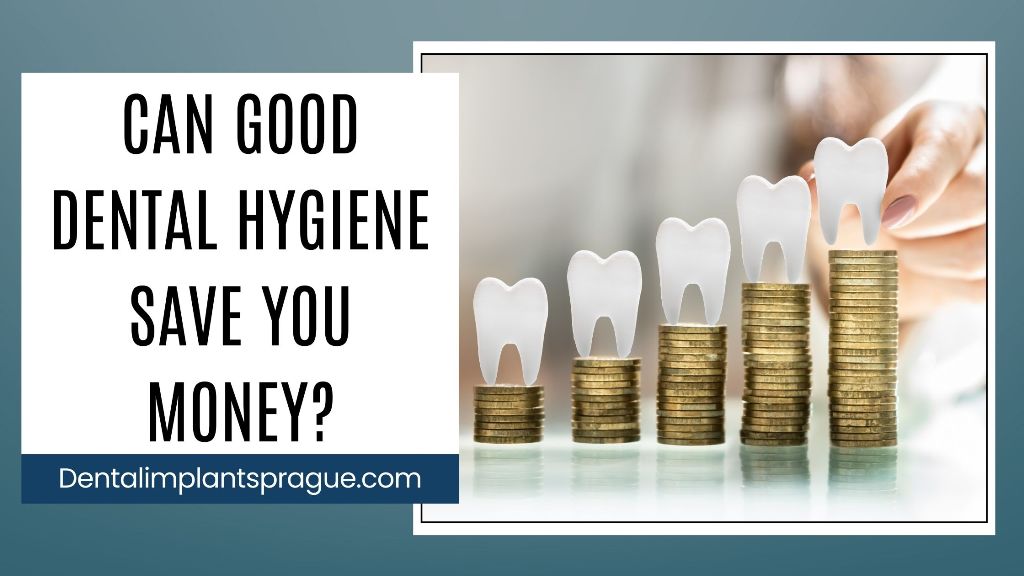
Short answer? Yes.
Think about the cost of root canals, crowns, gum surgery, or implants. Now compare that to the cost of a toothbrush, toothpaste, and a bi-annual cleaning. It’s not even close. Preventive dental care is one of the most cost-effective health investments you can make.
And we’re not just talking about money. Dental issues often mean time off work, discomfort during meals, or even changes to how you smile or speak. Keeping up with teeth and gum care helps you avoid that spiral entirely.
Building Healthy Habits for the Whole Family
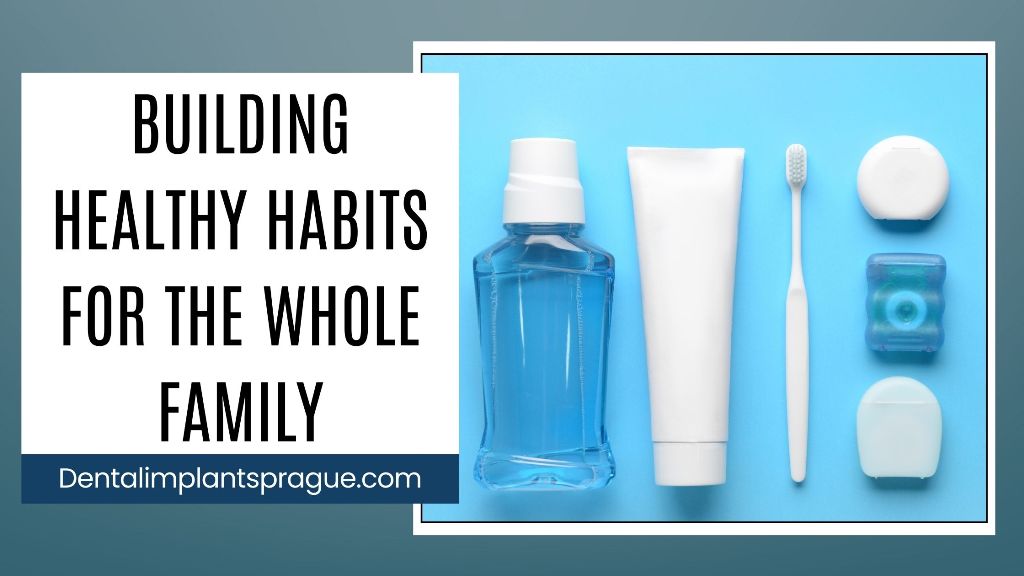
If you’re a parent, your kids are watching you. Making dental hygiene a family routine teaches children that caring for their mouth is just part of daily life. Try brushing together, using fun timers, or even rewarding consistent habits.
Set dental visits as a positive experience rather than a scary one. And if you’re nervous about the dentist yourself, talk about it—chances are your provider can help ease that anxiety.
Strong smiles are built at home, one day at a time.
Why We Care at DentalImplantsPrague.com
At dentalimplantsprague.com, we’ve seen how small steps in dental hygiene can save teeth, protect gums, and prevent serious health issues. Whether you’re getting ready for implants or just looking to improve your routine, it all starts with a clean, healthy foundation.
We support patients every step of the way—from consultations to advanced treatments—because we believe that strong oral care isn’t a luxury. It’s a basic need that everyone deserves access to.
If you’re looking to boost your dental care routine or have concerns about your teeth and gum care, visit us. You’ll get expert advice, personalized care, and the confidence that your oral health is in the right hands.
Your smile tells your story. Make sure it’s a strong one—backed by good habits, regular checkups, and the right support team. Start with dental hygiene, and everything else falls into place.
Ready to take the next step? Visit dentalimplantsprague.com and let’s work together to keep your teeth and gums in top shape.